
Hidden Apartment Fees in Nashville: What Renters Should Know Before Touring

The rent you see online is not always the amount you’ll pay every month, and that’s one of the easiest things to miss when you start comparing apartments in Nashville.
An apartment might show up at $1,850/month, but once you add parking, trash, pest control, amenity fees, internet, common electric, pet rent, and utilities, the real monthly cost can look very different. Some of those fees are small, some are annoying, and some are pretty standard in newer buildings. The issue isn’t that fees exist. It’s that renters often don’t see the full number until they’re already deep into the process.
Before you tour, it’s worth knowing what to ask so you can compare apartments based on the real cost, not just the rent number that got you interested.
Common Apartment Fees in Nashville
Every property is different, but these are the fees we see most often when helping people compare Nashville apartments.
Trash and Pest Control

Trash and pest control are usually smaller monthly fees, but they show up a lot. Trash may include valet trash, where someone picks up trash from outside your door on scheduled nights. Pest control is usually a small monthly charge that covers routine pest service for the building.
These probably won’t make or break your decision on their own, but they still count toward your monthly cost.
Amenity Fees

Amenity fees can cover things like the pool, fitness center, resident lounge, coworking space, package lockers, and other shared areas. Some buildings charge a flat monthly amenity fee, while others bundle several services together under one monthly charge.
This is especially common in newer luxury buildings, so if you’re looking in places like The Gulch, Midtown, Germantown, Downtown, or Wedgewood-Houston, it’s something to ask about early.
Package Fees

A lot of newer apartment buildings use package lockers or package rooms, and some charge a monthly fee for that service. It’s usually not a huge number, but it’s one more line item that can get lost if you’re only comparing base rent.
Internet or Wi-Fi

Some apartments require you to use the building’s internet package. That can be convenient, but it also means you may not have the option to shop around for your own provider.
We’ll often see required internet or technology packages in the $50 to $80/month range, though it varies by property. If a building requires it, treat it as part of the rent comparison, not as an optional extra.
Parking

Parking is one of the biggest fees to watch in Nashville, especially in neighborhoods like The Gulch, Downtown, Midtown, Germantown, and Wedgewood-Houston.
Some buildings charge around $50/month for a first vehicle, with a second car often priced higher. In more central or high-demand areas, parking can be closer to $150 to $200+ per vehicle each month, and some luxury buildings can be even higher.
If you have two cars, parking can change your budget quickly. It’s also worth asking whether there are limits on vehicles per unit or per leaseholder, because as garages fill up, some properties restrict additional vehicles or place them on a waitlist.
A unit with a strong rent special may not look as strong once you add $200 to $300/month in parking.
Pet Fees and Pet Rent

If you have pets, expect both upfront and monthly costs. Most properties charge some kind of pet fee or deposit, often a few hundred dollars per pet. On top of that, monthly pet rent is usually around $25 to $30 per pet, though some properties charge more.
If you have multiple pets, make sure you ask about breed restrictions, weight limits, pet rent, and total upfront cost before you get too attached to a specific apartment.
Utilities and Common Electric
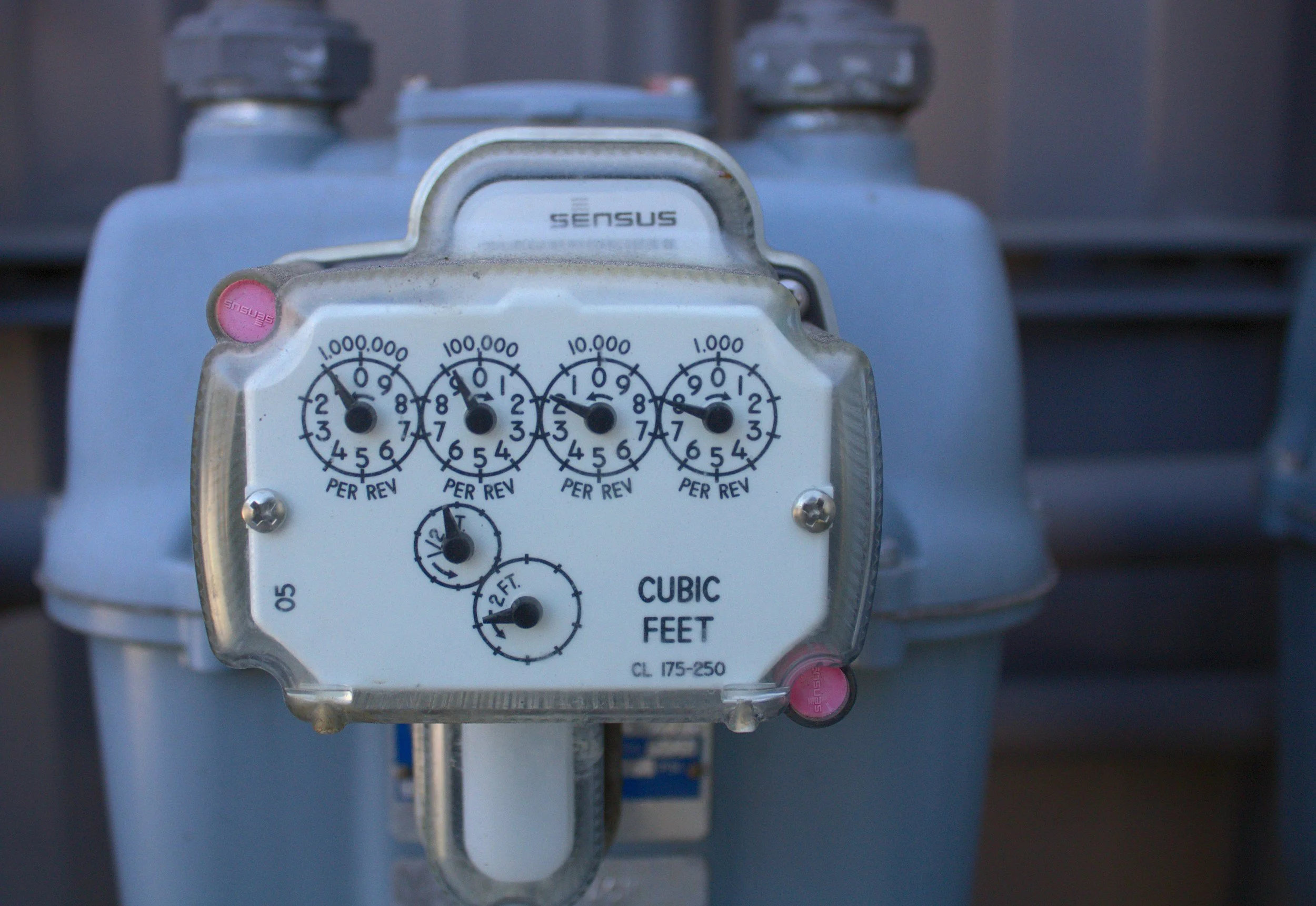
Water, sewer, electric, and sometimes gas are usually separate from the advertised rent. Electric is often set up directly through NES (Nashville Electric Service).
Some buildings also charge common electric, which helps cover electricity used in shared areas of the building, like hallways, elevators, garages, amenity spaces, and other common areas. It may not be a massive charge, but it is still part of the real monthly cost.
Water and sewer may be billed through the apartment community or a third-party billing system, and these charges are typically usage-based, so your monthly cost can vary depending on how much you use.
Why Fees Matter More When There’s a Rent Special
Nashville has had a lot of strong apartment specials recently: one month free, two months free, three months free, waived fees, free parking, and larger move-in credits.
Those specials can be great, but they only tell part of the story.
For example, Apartment A might be $2,000/month with one month free, but it has $250/month in parking, internet, and other required fees. Apartment B might be $2,100/month with one month free, but its required fees are only $100/month.
At first glance, Apartment A looks cheaper. Once you add fees, Apartment A is $2,250/month before the special, while Apartment B is $2,200/month before the special.
That’s why the lowest advertised rent isn’t always the better deal. You have to compare rent, special, fees, parking, utilities, pets, and lease term together.
Move-In Costs vs. Monthly Costs

Another thing renters need to separate is monthly cost versus move-in cost.
Monthly costs might include rent, parking, pet rent, utilities, internet, trash, pest control, common electric, package fees, and amenity fees. Move-in costs may include application fees, admin fees, security deposit, first month’s rent, pet deposit, and utility setup fees.
Security deposits are another one to watch because they often depend on credit and application screening results. Some properties may approve you with a smaller deposit, while others may require a larger refundable deposit. In some cases, you may be given a choice between paying a larger refundable deposit upfront, like $500 or more, or paying a smaller monthly nonrefundable deposit alternative, like $30/month.
That can be helpful if you want to lower your upfront move-in cost, but a refundable deposit and a monthly nonrefundable charge are not the same thing. One may come back to you after move-out if everything is in good shape. The other is a monthly cost you don’t get back.
A property might have a great monthly special but still require a decent amount upfront. Another building may waive certain upfront fees but have higher monthly costs. Both matter, especially if you’re trying to plan cash flow around a move.
The Nashville Neighborhoods Where Fees Add Up Fast

Fees can show up anywhere, but they tend to matter more in newer, more urban buildings.
In places like The Gulch, Downtown, Midtown, Germantown, and Wedgewood-Houston, parking alone can make a big difference. These neighborhoods are popular because they’re walkable, central, and usually have newer apartment buildings with stronger amenities, but those amenities and parking garages are usually not free.
That doesn’t mean you should avoid those neighborhoods. It just means you need to compare the real monthly cost before deciding if the apartment fits your budget.
Sometimes the more expensive building has a better special and lower fees. Sometimes the cheaper building is only cheaper online.
Don’t Assume the Website Tells the Whole Story

Apartment websites can be helpful for finding listings, but they don’t always show the full cost clearly, and that’s where a lot of confusion starts for renters.
Some listings show a clean base rent but hide required monthly fees deeper in the page or don’t fully explain them until later.
Others highlight a “net effective rent” after a special, which can make the discounted number look like the actual rent, even though it isn’t. That market rent is what you need to understand the true monthly cost and whether you’ll qualify based on income requirements.
You’ll also see price ranges instead of exact numbers, which can change based on move-in date, lease length, and availability.
On top of that, the same unit can be priced differently depending on the move-in date and lease length you select on the website. Most renters don’t realize you often have to test different move-in dates and lease terms just to see the real pricing, and even then, not all fees are included in what you’re seeing. It’s easy to miss and can change the true cost a lot.
That’s why we don’t like comparing apartments from screenshots or website listings alone. The rent numbers matter, but it’s only the starting point, not the full picture of your monthly cost.
A Better Way to Compare Apartments

When we compare apartments for clients, we’re not just looking at the advertised rent. We’re looking at market rent, effective rent after specials, lease term, parking, required monthly fees, common electric, utilities, pet costs, move-in costs, deposit structure, floorplan, view, natural light, location, commute, and how long the property will hold the unit.
That’s the real comparison.
The best apartment isn’t always the one with the lowest rent online. It’s the one that fits your budget, your timeline, and your actual life once everything is included.
How We Help

This is exactly why our process starts with a conversation before we ever tour.
We want to know your budget, timeline, neighborhoods, must-haves, pets, parking needs, commute, and what kind of day-to-day life you want in Nashville. Then we research current availability, specials, fees, deposit structures, and lease terms before narrowing things down to the strongest options.
Our apartment search service is completely free for renters! We’re licensed agents, and we’re paid by the apartment communities where our clients decide to lease.
We don’t send you a giant list of apartments and let you sort it all out alone. Instead, we guide you, help you find the right place, and understand the real cost before you ever apply.
Looking for an Apartment in Nashville?
If you’re searching for an apartment in Nashville, you don’t have to figure all of this out on your own or try to decode every fee on your own.
This is exactly where we come in.
We help you look past the rent number you see online and break down the real monthly cost, including fees, parking, internet, common electric, how the special actually works, what deposit you may be approved for, and what you’ll truly need to pay before move-in.
A good apartment special can absolutely save you money, but only when you understand the full picture, and we make sure you do before you ever tour!
